Paint Protection Film in North Phoenix

Services · 04 of 13

Paint Protection Film in North Phoenix

Paint protection film in north Phoenix: front-end, full-front, and full-body coverage for trucks, SUVs, and performance vehicles.

Quick answer

Where can I get paint protection film (PPF) in North Phoenix?

Luxe Motorsports installs paint protection film, also called clear bra, at its Deer Valley shop in North Phoenix. Coverage ranges from partial front to full front to full body. PPF is a clear polyurethane layer that helps protect paint from rock chips, road grit and scuffs.

Shop
Luxe Motorsports, 747 W Pinnacle Peak Rd, Ste A105, Phoenix, AZ 85027
Area
Deer Valley, North Phoenix; a short drive from north Scottsdale, Anthem and Peoria
Vehicles
Trucks, SUVs and performance cars
Hours
Mon–Fri 9:00 AM – 4:00 PM; Sat/Sun Closed
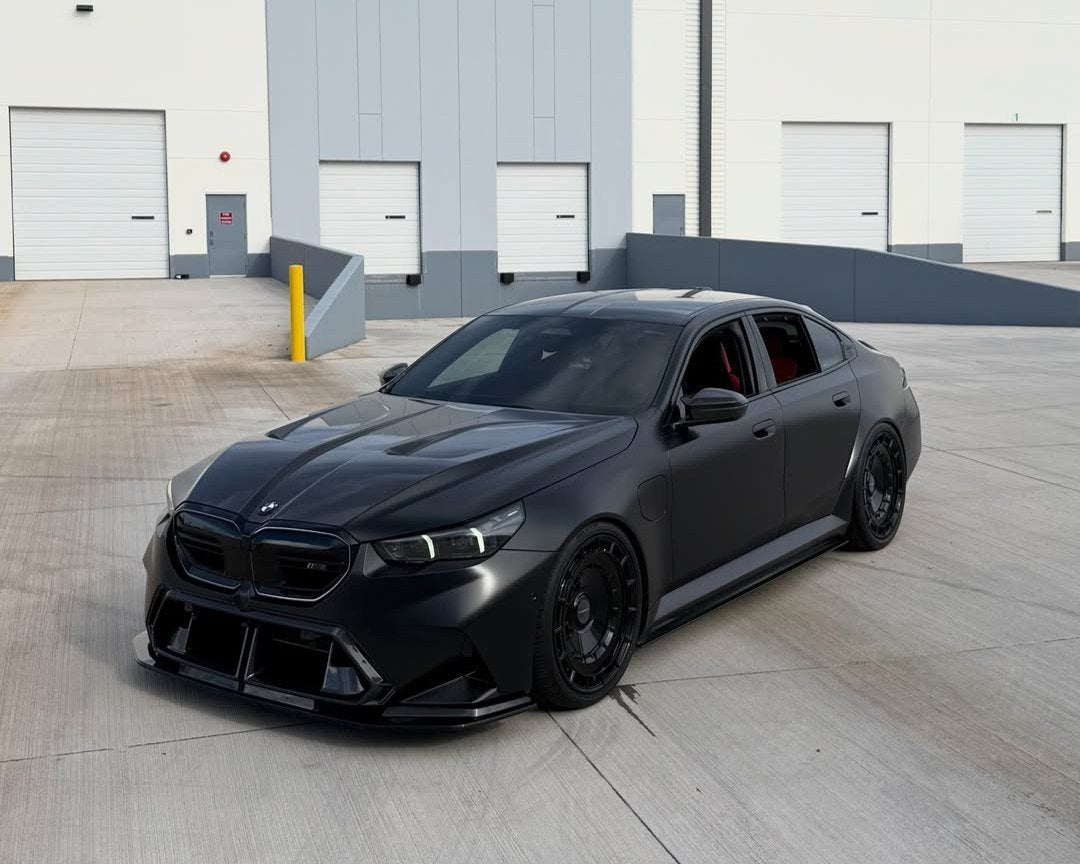
BMW G90 at Luxe after a build including full-body paint protection film

BMW G90 build: satin-black wrap and full-body PPF, documented in the shop build sheet.

Paint protection film

Put a barrier between the road and the paint.

Paint protection film is a clear polyurethane layer over the panels you want to preserve. It takes the brunt of small stone strikes, road grit, bug residue and everyday scuffs instead of leaving those marks straight in the finish. If your front end spends its week on the 101 or I-17, coverage matters more than a showroom shine that only lasts until the next drive.

Luxe installs partial, full-front and full-body coverage in Deer Valley for trucks, SUVs and performance cars. The starting point is the vehicle: where it already gets hit, how you use it, and which panels you want protected. Film reduces damage; it does not make paint impact-proof or repair chips that are already there.
Choose the coverage

Protect the panels your driving actually exposes.

These are coverage starting points, not a promise that every vehicle has the same panel layout. The quote should name every included panel and show where film edges will sit.

01

Partial front

Focuses film on the leading portion of the hood and front fenders, usually alongside the bumper and mirrors. It can protect the busiest impact area with less material than full-panel coverage, but leaves a visible transition across the hood and the rest of the panel exposed.

  • Best discussion for a targeted front-end budget
  • Tradeoff: a film edge partway across the hood

02

Full front

Covers the full hood and front fenders rather than stopping halfway, together with the front bumper and other agreed front-end pieces. It moves the hood transition to the panel edge and suits frequent highway driving without committing to the whole body.

  • Confirm bumper, mirror caps and trim in the scope
  • Strong starting point for a daily-driven truck or sports car

03

Extended impact / track coverage

Starts with the full front, then adds areas behind the wheels: rockers, lower doors or the leading rear-quarter surfaces. These are the places a wide tire or low body can pepper with debris. The useful configuration depends on the body and tire setup, not just the package name.

  • Discuss tire-thrown debris and track use
  • A custom coverage conversation, not a universal kit

04

Full body

Adds film across the agreed exterior painted panels, including sides and rear rather than just the nose. It makes sense when preserving a finish across the entire vehicle is the goal. Large trucks, complex bumpers, vents and added body pieces all change the amount of work.

  • More coverage for high-touch and exposed bodywork
  • Confirm roof, pillars, trim and aftermarket pieces separately
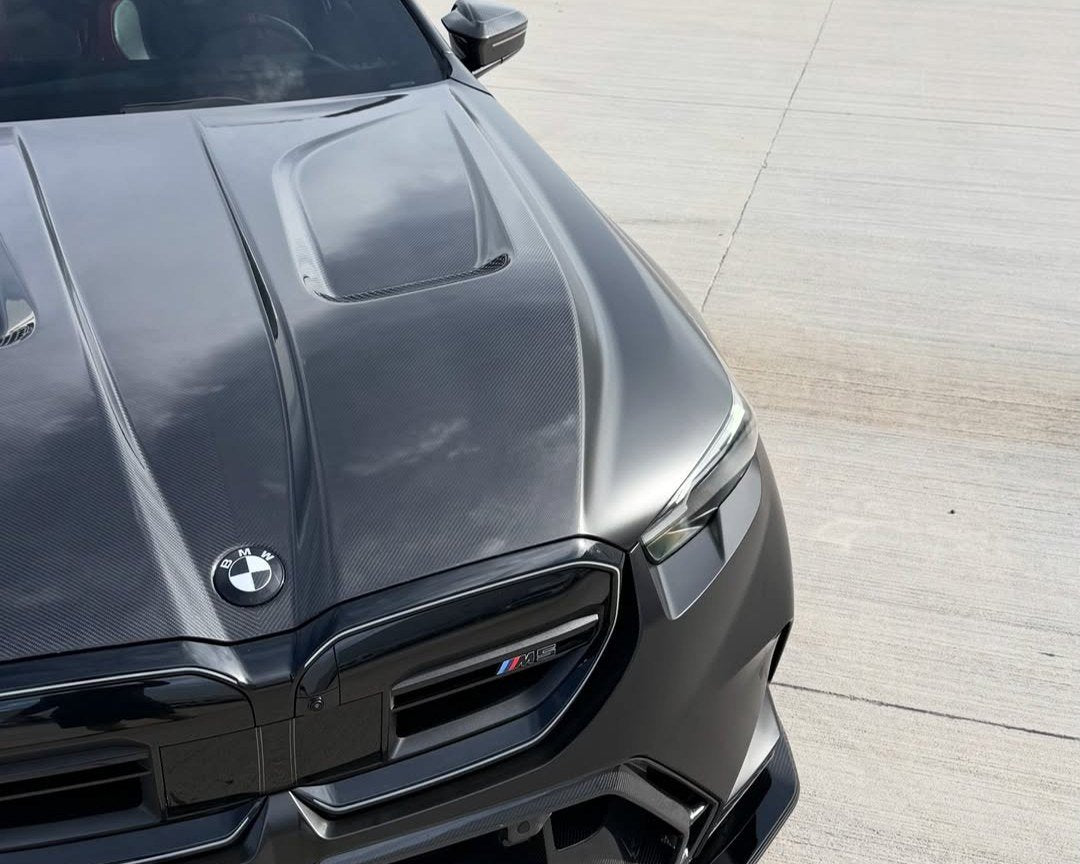
Carbon hood and front bumper detail on the BMW G90 project with full-body PPF

The G90’s hood and bumper details: complex shapes need a deliberate film plan.

Before the film

A clean install starts under the film.

The paint needs to be clean and free of bonded contamination before film goes down. Tar, fallout and polishing residue are not details to trap underneath it. Existing swirls, stone chips, repainted panels and loose clear coat should be discussed first; a protective layer is not a substitute for sound paint.

Body contours also decide where seams, relief cuts and wrapped edges are practical. A bumper with deep openings is a different install from a flat hood. Ask to see the coverage boundaries and any planned trim removal before booking, especially on paint-matched bumpers or aftermarket carbon parts. If coverage involves a bumper, grille or glass with driver-assistance sensors, Luxe handles sensor and camera calibration in-house when the job requires it.

Luxe’s G90 project combined a satin-black wrap with full-body PPF. That is why the finish and the material stack matter: a compatible film should protect the intended look, not accidentally turn a satin surface into a glossy one.

From the shop

Different vehicles. Deliberate coverage.

Coverage recorded in Luxe’s published build sheets, from a full-front truck package to finish-specific detail work.

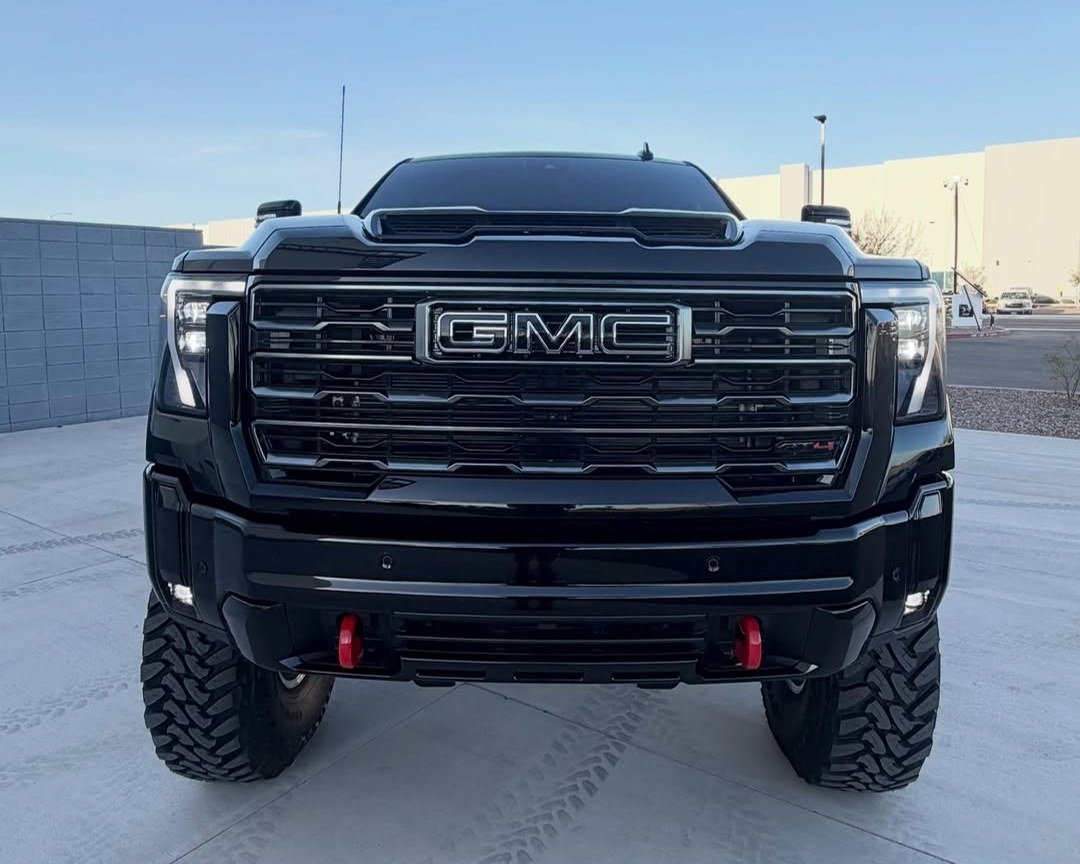
Front of a GMC Sierra AT4 whose Luxe build includes full-front PPF
Sierra AT4 2500Full-front PPF paired with the truck’s lift, wheels and ceramic tint.
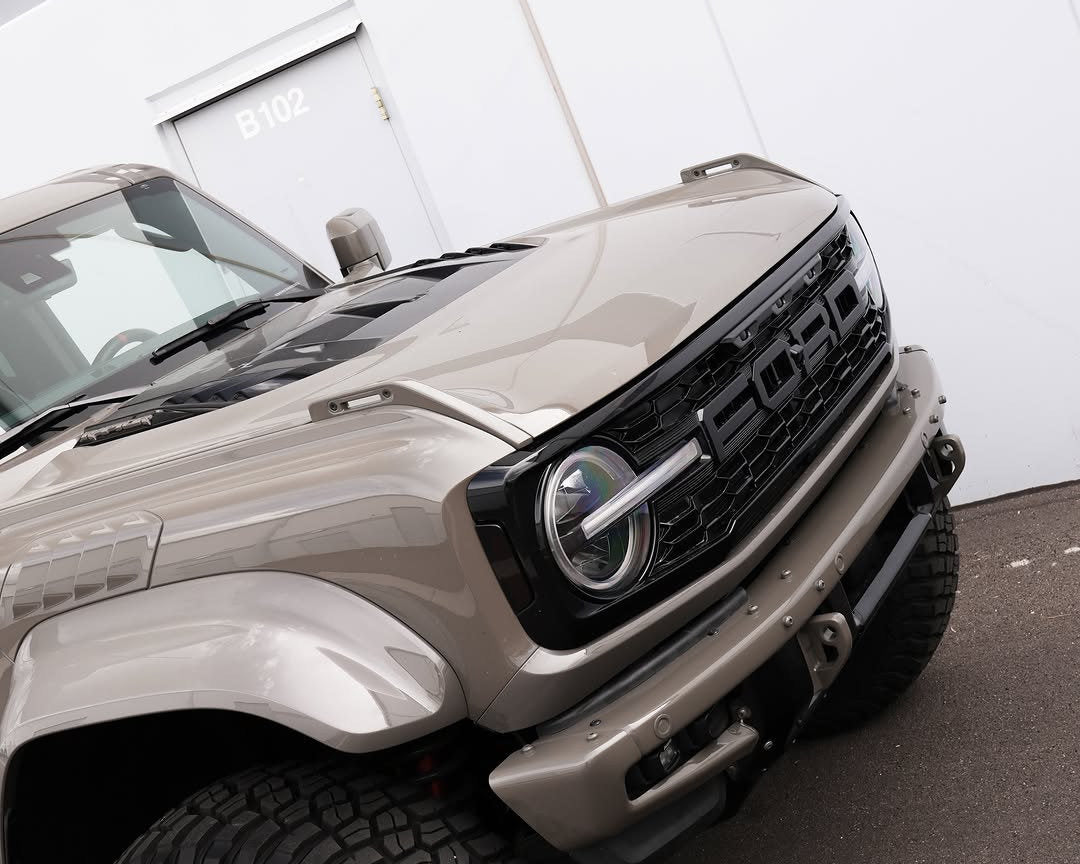
Front of a Marsh Gray Bronco Raptor from a Luxe build that includes paint protection film
Bronco RaptorPaint-matched Marsh Gray Bronco whose published build sheet includes PPF and ceramic tint.
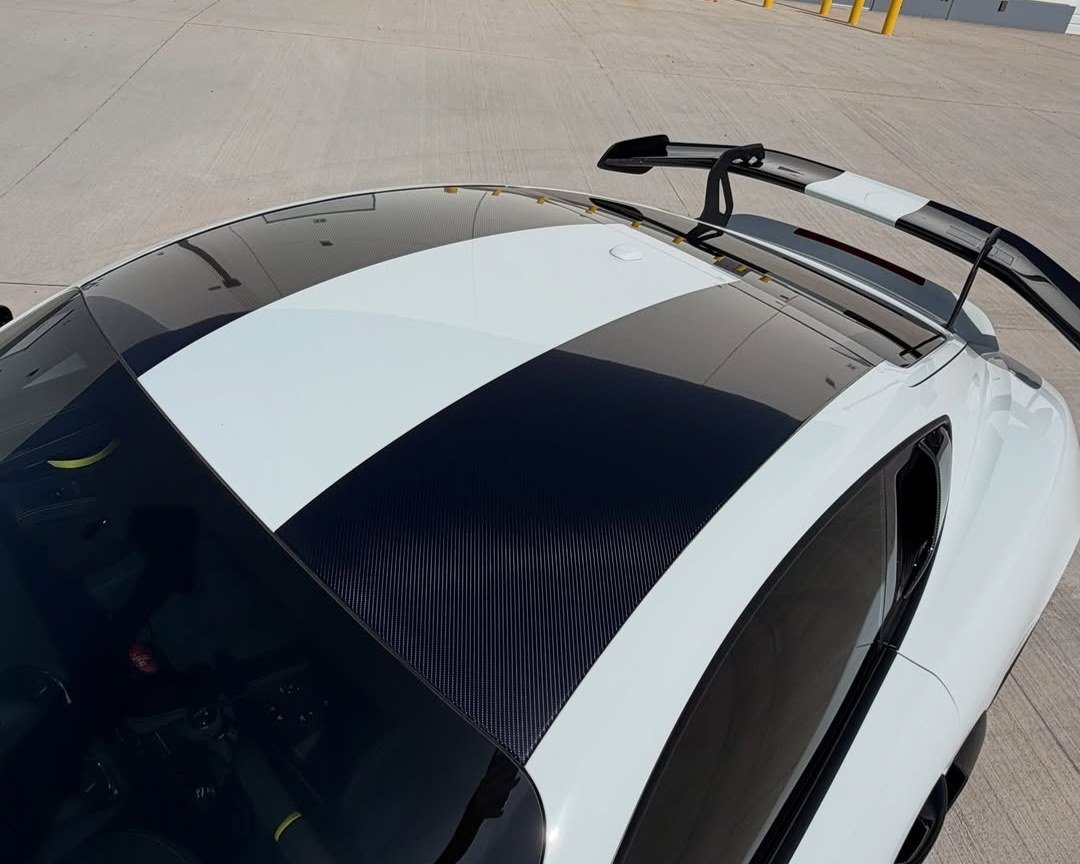
Carbon-effect paint protection film roof stripes on a Porsche GT4 RS at Luxe
Porsche GT4 RSCarbon-fiber-effect PPF roof stripes, matched to the car’s other carbon accents.

The shop sequence

From coverage plan to clean hand-off.

  1. Step 01

    Inspect

    Tell us the year, model, mileage and how you drive. Point out repaints, old film, chips and the spots you are most concerned about. Coverage and the condition underneath it come before a booking date.

  2. Step 02

    Scope

    Agree on the film, finish, exact panels and any paint preparation. Get the schedule and quote for your vehicle; removal of old material or work around complex trim can change both.

  3. Step 03

    Prep & fit

    Paint is prepared before film is fitted to the agreed areas. Bumpers, panel edges and recesses need different handling, so the finish is about careful fitment as much as the square footage of film.

  4. Step 04

    Inspect & care

    Review the covered panels at collection and follow the installed film’s cure and wash instructions. If an edge lifts or a spot concerns you later, call rather than trying to trim or lift the film yourself.

Living with film

Protection still deserves proper care.

Arizona dust and dried insects do not become harmless just because a panel is covered. Treat the film as a serviceable outer surface, not a permanent shield you can forget.

01Let it settle
Follow the specific wash-wait time provided for your film. A little installation moisture can dissipate during curing; persistent bubbles, contamination or lifted edges deserve an installer’s inspection, not a pin or a pressure-washer test.
02Wash gently
Wash a cool vehicle out of direct sun with clean mitts and film-compatible products. Remove bird residue and insects promptly. Keep high-pressure water away from edges, and avoid abrasive polishes or harsh brush washes.
03Know the limits
Self-healing refers to fine marks in the topcoat of films with that feature. It cannot rebuild a cut, puncture, deep gouge or dent. A heavily damaged piece may need replacement; the goal is for the sacrificial layer to take the damage first.

Want easier cleaning as well as chip resistance? A compatible ceramic coating can complement film. It does not replace it.

Before you book

Questions about paint protection film.

Is PPF the same as a clear bra?

Yes. Clear bra is another name for paint protection film, often used for front-end coverage. The important detail is which panels the quote includes: a partial hood and a full hood are not the same scope.

Will PPF stop every rock chip or scratch?

No. Film is a sacrificial barrier that helps reduce damage from everyday debris and scuffs. A large impact, sharp object or deep gouge can damage the film and the paint underneath. Self-healing topcoats address fine surface marks, not cuts or dents.

Should I correct the paint before installing film?

Inspect the paint first. Contamination must be removed, and visible swirls or defects may justify polishing before coverage. Existing chips and damaged or repainted finishes need a separate conversation. Film is protection, not paint repair.

Can I ceramic coat PPF?

A coating approved for the specific film can make cleaning easier. Compatibility matters, especially on satin or matte finishes. Confirm the film and coating combination before application rather than assuming any coating is suitable.

How long will the installation take and what affects price?

Coverage area, vehicle size, body complexity, existing film removal and paint preparation all affect the work. A partial front and a full-body install are different jobs. Luxe confirms the schedule and quote after the vehicle and coverage are agreed.

When can I wash the vehicle after PPF?

Use the cure and wash-wait instructions for the film installed on your vehicle. After that period, wash gently on a cool surface, remove contaminants promptly and keep pressure away from film edges. Contact the shop if an edge lifts or a bubble persists.

Get a quote

Bring us the vehicle.

Mon–Fri 9:00 AM – 4:00 PM; Sat/Sun Closed

Visit the shop

Paint protection film in north Phoenix and Deer Valley.

Luxe Motorsports is on Pinnacle Peak Rd in the Deer Valley area of north Phoenix, a short drive from north Scottsdale, Anthem, and Peoria. Stop by on a weekday, or call and talk through the vehicle.

Luxe Motorsports 747 W Pinnacle Peak Rd, Ste A105 Phoenix, AZ 85027 (602) 900-0720 Sales@LuxeMotorsportsAZ.com Mon–Fri 9:00 AM – 4:00 PM; Sat/Sun Closed